Aviation
US departures resume. The network still needs to recover.
The nationwide suspension ended on 13 November, but cancellations affected Guarulhos and Campinas in Brazil, Airway reported on 14 November.
Oil, aviation and geopolitics. Context, sources and Fernanda Borges’s perspective.
ANP and ANAC will split responsibilities under ProBioQAV. The draft still faces technical, legal and board review.
Read the post-hearing updateThree developments across aviation, fuels and geopolitics: a restart is not instant normality, and crude is not diesel.
Aviation
The nationwide suspension ended on 13 November, but cancellations affected Guarulhos and Campinas in Brazil, Airway reported on 14 November.
Fuels
Brazil did not renew the additional R$1.40/litre imported-diesel subsidy. The R$2.12/litre road-diesel subsidy remains, Agência Brasil reported on 13 November.
Geopolitics
The IEA’s 13 November report points to recovering crude supply while warning about refined products, especially diesel, and maritime security.
Federal subsidy, ANP pump prices and the dollar: what reached consumers in 1–7 November — and why jet fuel and SAF remain a different calculation.
Read the analysis →Petrobras raises jet fuel by 7.2%, or BRL 0.45 per litre, for distributors from 1 November 2026. Understand the index's scope.
Read the analysis →Analysis of the ProBioQAV public consultation approved by ANP and its potential effects on certification, traceability and Brazil's SAF market.
Read the analysis →WEEKLY EDITION · ENERGY AND AVIATION · 17 NOVEMBER 2026
ANP published submissions and the report for Consultation 23/2026. On 18 November, certification, backing and traceability enter the hearing — without inventing a new price or a final rule.
Read the weekly edition24H RADAR · 10 NOVEMBER 2026 EDITION
Markets enter your home through brands, exchange rates, exports, school fees and construction. This edition puts announcements from 8 and 9 November in context; it does not pretend that five events miraculously occurred within twenty-four hours.
Flora, owner of Minuano, is valued at about R$2.97 billion; Canal Rural at R$61 million. JBS announced the agreements on 9 November, with completion expected in December subject to conditions.
Editorial reading: the protein chain now reaches hygiene, beauty and distribution. Capital also wants shelf space.
JBS · 09/11/2026At the 9 November close, the index reached 172,236.05 points, its largest daily gain since 5 October. The commercial dollar fell 0.06% to R$5.5058.
The Dynamic Barrel uses the Central Bank's daily PTAX, a different reference from the commercial close cited here.
Agência Brasil · 09/11/2026The leading destination for Brazilian pork announced a provisional safeguard. According to ABPA, it is expected to start on 24 November, with the date still awaiting official confirmation.
Editorial reading: a trade decision at destination requires shipments and alternative sales at origin to be reviewed.
ABPA · 09/11/2026An O Globo report reproduced by Tribuna Hoje on 8 November covers schools in Rio and São Paulo. The 14.9% figure refers to one case and is not a national average.
Editorial reading: the economy also arrives in the re-enrolment notice. Each family must check its own school's percentage and terms.
O Globo / Tribuna Hoje · 08/11/2026The contract was announced on 8 November at R$12.74 billion, subject to adjustments. Completion depends on approvals from Cade, Aneel and Chinese authorities.
Editorial reading: Chinese interest reaches the materials that support construction. A signed contract and a completed deal are different stages.
CSN, via CNN Brasil · 08/11/2026Follow the daily Dynamic Barrel for the dollar
Fernanda Borges · @nandacborghes · magnoliaspetroleo.com.br
Statement of solidarity · 5 November 2026
The tornado that struck Chapecó on 4 November damaged Serafim Enoss Bertaso Airport, its hangars and the Chapecó Aeroclub. Aircraft on the ground were damaged. Reports consulted on the morning of 5 November indicated that operations remained suspended while infrastructure assessments continued.
Magnólias & Barris deeply regrets what happened and stands with the people of Chapecó, the aeroclub community, airport teams, aviation professionals and everyone affected.
A hangar shelters more than aircraft: it holds years of work, training and dedication to flight. Its loss also touches the lives of those who build aviation every day.
Our respect goes to the response teams and everyone beginning to rebuild. May people receive the care they need, safety guide every decision and Chapecó receive support for its recovery.
Fernanda Borges · Magnólias & Barris
Passengers: contact your airline before travelling to the airport.
Ethanol remained competitive: in the latest pump survey available by 6 November, its national average price was 63.7% of petrol’s. NovaCana’s reading of ANP data for 25–31 October showed an advantage under the indicative 70% rule in 11 states and the Federal District.
In its October review published on 4 November, Cepea reported rain interruptions to crushing: fewer production days, lower availability and reduced stocks alongside strong demand. Upstream pressure may reach pumps as stocks are replenished; timing and scale depend on inventories, freight, taxes and margins.
For flex-fuel vehicles, use local prices and your vehicle’s consumption: price per litre divided by km/L gives cost per kilometre. The 70% rule is approximate. Ethanol can rise and still be worthwhile — arithmetic matters more than a startling sign.
Scope: ANP’s 1–7 November pump survey was scheduled for 9 November. No pump figure here is presented as a 6 November closing price.
Rain in the cane fields can reach your fuel bill. Rain interrupted crushing and tightened ethanol supply. That can put pressure on pump prices when stocks are replenished. But ethanol still deserves attention: in the latest survey available by Friday, it cost around 64% of petrol’s national average price. Compare that with your flex-fuel car’s consumption. Ethanol can rise and still save money. Let the numbers decide.
Sources: NovaCana / ANP · 25–31/10 · publicação 04/11 · ANP · calendário de publicação · Cepea · chuvas e moagem · 04/11 · Cepea/Esalq · hidratado · 06/11 · Inmetro · consumo veicular
Oil does not read press releases. I follow Brent, jet fuel and avgas to distinguish price, power and the conviction of those who still confuse the two. — Fernanda Borges
The London clock shows local time in the financial centre. The chart displays TVC:UKOIL, a Brent reference CFD provided by TradingView, rather than the ICE futures contract. EIA spot prices and daily PTAX have separate dates and methodologies.
Reference chart provided by TradingView. Delays and display restrictions may apply; check the time and instrument identification on the chart itself. The official EIA spot price retains its observation date.
Checking the latest available release.
View the exchange-rate sourceANP publishes sales volumes by reference month. Follow the latest final and preliminary releases at the official source.
New data · ANP · diesel and aviation
Retail diesel: for 18–24 October, Brazil’s national average for B S500 diesel was R$6.99/l, versus R$7.00/l in the previous week (-0.14%). S10 diesel averaged R$7.32/l, versus R$7.34/l (-0.27%). These are ANP retail survey averages — not a Petrobras price announcement.
Aviation fuels: ANP’s monthly series, updated on 22 October, records a September national distribution average of R$6.7003/l for jet fuel, against R$5.9501/l in August (+12.61%). Avgas averaged R$11.1491/l, against R$11.0929/l (+0.51%). The figures are preliminary, reported by regulated agents, and may be reprocessed.
“A statistical average is not a commercial quotation. Confusing the two is a remarkably efficient way to negotiate with imaginary certainty.”
As of this review, no new official Petrobras jet-fuel adjustment announcement was found after the reference already published on the site.
ANP · weekly diesel survey ↗ · ANP · aviation-fuel distribution prices ↗
Aviation kerosene · jet fuel
National sales · volume in m³
ANP series by distributor, period and region. Check the reference month and whether the figures are preliminary or final on the dashboard.
View updated volumes at ANP ↗Aviation gasoline · avgas
National sales · volume in m³
The same source lets you compare avgas and jet fuel sales and examine the distribution of the Brazilian market.
Explore avgas data ↗The dashboard can be checked daily; sales are published monthly. The visit date does not change the reference month. ANP updates the dashboard on the 1st (final figures for two months earlier) and the 20th (preliminary figures for the previous month). Figures are reported by market participants and may be revised. Also explore the historical sales database ↗
Aviation · Assets, imports and structure
To treat every aircraft kept or traded in the country as though it had landed in Sodom is a convenient simplification — particularly useful to those who prefer alarm to strategy. Espírito Santo participates in the entry of international assets and illustrates that Brazilian territory is not, by itself, a sentence against patrimony.
Risk begins when imports, purchases, sales, leases, registration and taxation proceed without contractual, tax and operational architecture. An aircraft does not lose value by touching Brazilian soil; it loses efficiency when the transaction lands before the planning does.
“In this market, those who dispense with structure may turn an asset into a pillar of salt — and then, with admirable solemnity, blame the runway.”
This is an editorial metaphor, not a legal or tax conclusion. Each transaction requires its own analysis of origin, ownership, use, registration, customs regime and jurisdiction.
AVIATION · DAILY READING
Brazilian aviation carried 99.6 million passengers from January to September, up 4.3%. With jet fuel repriced, the market rewards availability, contracts and execution — not merely a friendly spreadsheet.
Read the full analysis ↗JET FUEL · CONFIRMED ADJUSTMENT
Petrobras raised its average distributor price by BRL 0.45 per litre, effective 1 November. It is an upstream-chain price—not a final refuelling tariff.
Understand the index and impact ↗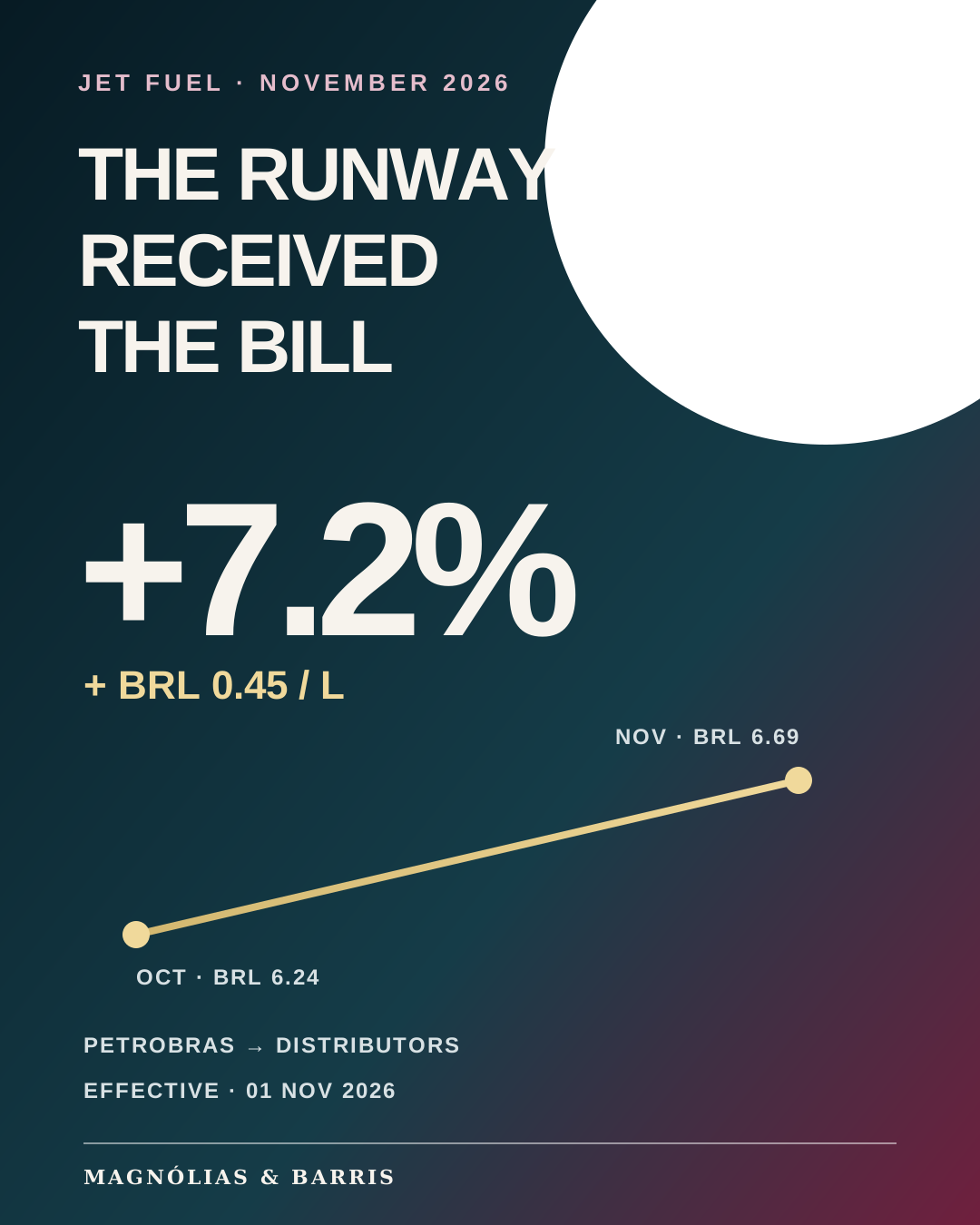
WEEKLY EDITION · JET FUEL
ANP publishes weekly jet-fuel import-parity estimates for seven ports. It is a market benchmark—not a commercial price list, a promised adjustment or an aircraft-refuelling price.
Read the full edition ↗SAF RADAR · REGULATION
ANP Public Consultation 23/2026 accepted contributions from 4 to 13 November; the hearing remains scheduled for 18 November. The deadline has closed, while technical scrutiny continues—serious regulation rarely fits the pace of a caption.
Read the full analysis ↗WEEKLY EDITION · SAF & AVIATION
Reduc cut the carbon intensity of SAF made with corn oil by 23.8%. The market gained a measurable advance—and lost another excuse for treating traceability as decoration.
Read the full edition ↗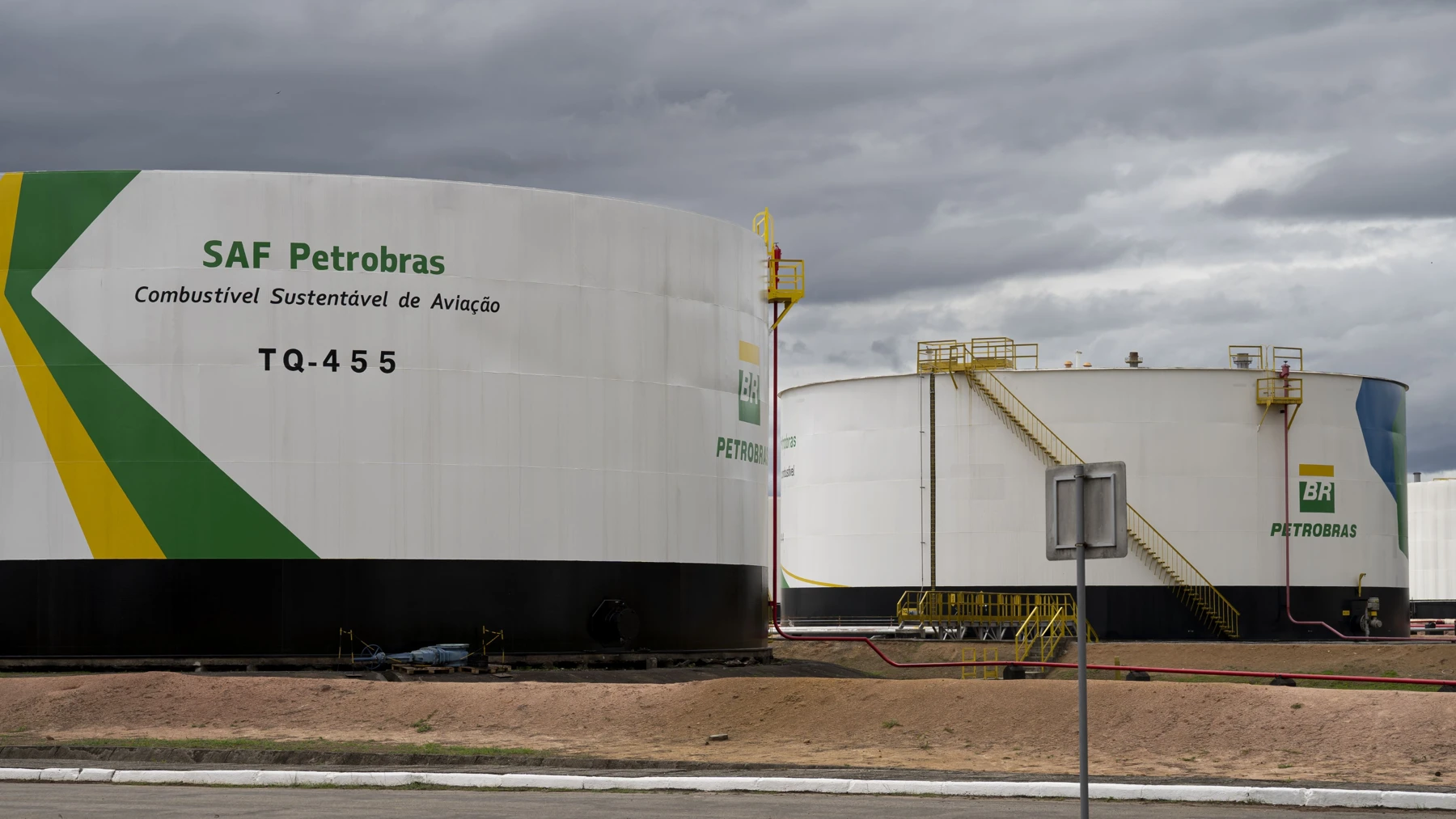
POST-ELECTION · DOLLAR & RISK
The PTAX observation dated 19 November rose to R$5.8889, up 1.35% from 18 November. This is not a live quote: it is the Central Bank’s dated reference — date and method being two courtesies hurried headlines often leave in the terminal.

WEALTH · PROVENANCE · CUSTODY
The metal is portable, scarce and independent of an issuer's promise. That does not make it a legal cloak of invisibility—only an asset requiring less romance and more provenance.
Read the gold essay ↗DIESEL · CBS · DOLLAR · BIOFUELS
PTAX rose, diesel awaits ANP's next snapshot and CBS prepares to enter fuel pricing. Meanwhile Argentina, the UAE and Saudi Arabia treat biofuel as industrial policy—that eccentric habit known as strategy.

DIESEL AFTER THE BALLOT · POLICY, PRICE AND SUPPLY
The government renewed the R$2.12-per-litre road-diesel subsidy for one month. The election ended; the international bill, with its familiar lack of patriotism, remained in dollars.
Read the full analysis ↗2026 ELECTION · SCENARIO ANALYSIS
Scenario published before the result
What a Flávio Bolsonaro victory could change for oil, fuels, agribusiness and bioenergy — and what would still depend on Congress, budgets, regulation and execution.
Read the full analysis ↗Vibra focus · Updated 19 October 2026
Three developments in fuel distribution, with event dates and their operational implications.

Aviation · 17 October 2026
Revista Sociedade Militar reports exceptional authorization for a R$999,992.50 advance payment to Vibra for 94,250 litres of jet fuel. Citing an official document, it says Army aviation has a single, capacity-constrained storage location of its own in Taubaté.
Editorial analysis · Magnólias & BarrisDistribution coverage matters alongside price. Delivery points, availability and payment conditions determine whether fuel supports the operation.
Source · Revista Sociedade Militar ↗
Markets · 8 October 2026
According to InfoMoney, Morgan Stanley downgraded VBBR3 from overweight to equal-weight while raising its end-2027 target from R$41 to R$43. The bank considers much of the improvement in margins and market share already reflected in the share price.
Editorial analysis · Magnólias & BarrisBetter profitability does not make every valuation attractive. This is a market assessment, not a guarantee of future performance.
Source · InfoMoney ↗
Agribusiness · Announced 8 September 2026
Vibra announced an expansion in Agritop diesel availability from 10 to 25 bases, focusing on agricultural hubs in the Centre-West, MATOPIBA and Southeast. The company reports combined diesel storage capacity of 310,000 m³ across the bases involved.
Editorial analysis · Magnólias & BarrisProximity supports supply reliability. This is agricultural diesel expansion, not an announced extension of the jet-fuel network.
Source · Vibra ↗Oil, aviation & elections · 17 October 2026
Oil
Brent closed on 16 October at $109.86 a barrel, up 3.7%. Reuters attributed the rise to supply risks in the Middle East and disruptions to Russian refining.
Analysis · Magnólias & BarrisBrazilian operating costs also depend on exchange rates, freight, insurance and contracts. A rise in crude does not automatically translate into an immediate jet fuel or consumer price adjustment.
Source · Report dated 16 October 2026 ↗Business aviation
According to Aero Magazine, general aviation operators must contract a fixed-base operator, or FBO, before requesting slots at Congonhas. The reported requirement took effect on 15 October and covers private aircraft and air taxis.
Analysis · Magnólias & BarrisGround support now becomes a prerequisite in access planning. Operators need to align airport timing with service availability before departure.
Source · Report dated 16 October 2026 ↗
Presidential election
The CNT/MDA survey released on 16 October gives Flávio Bolsonaro 50.5% of valid votes and Lula 49.5%, a statistical tie. It interviewed 2,002 people on 13–15 October, with a 2.2-point margin of error and 95% confidence. Reported TSE registration: 00652/2026.
Analysis · Magnólias & BarrisThe numerical difference does not establish a clear lead. Energy and aviation businesses should distinguish campaign promises from the ability to implement them. A poll measures voting intentions; it does not determine the election.
Source · Report dated 16 October 2026 ↗Brazil · 16 October 2026 · Morning
Brazilian oil · 13 October announcement, reviewed today
Petrobras expects around US$859 million by November from equalisation agreements for Berbigão and Sururu in the Santos Basin.
The reservoir provides the wealth. The contract determines its division.Petrobras · 13 October 2026 ↗
Presidential election · Poll released 16 October
PoderData/Aya: Lula and Flávio, 50% of valid votes each. 3,000 interviews, 13–15 October; ±1.8 points, 95% confidence. TSE: BR-04258/2026.
A poll measures intention. Margins require management.PoderData/Aya · 16 October 2026 ↗
Morning observation: UOL quoted the commercial dollar at R$5.076, down 0.21%, at 10:00 Brasília time. Intraday quote; the 15 October close below retains its date.
Markets · UOL · 16 October, 10:00 ↗Market close · 15/10/2026
The commercial dollar rose for a third session. UOL linked caution ahead of the presidential runoff to pressure on the real, despite broader dollar weakness.
Analysis · Magnólias & Barris
A lower oil price in dollars can be partly offset by a stronger dollar in Brazil. Aviation and imported inputs depend on both variables, alongside freight, insurance, refining and contracts. This does not imply an immediate fuel-price adjustment.
The barrel trades in dollars. Brazilian margins settle in reais.
The commercial close and PTAX are different benchmarks. The panel uses daily BCB PTAX; this report uses the commercial close reported at 17:14 Brasília time.
Aviation & infrastructure · 15/10/2026
A planned maintenance hangar would strengthen the airport’s support infrastructure as GOL expands internationally.
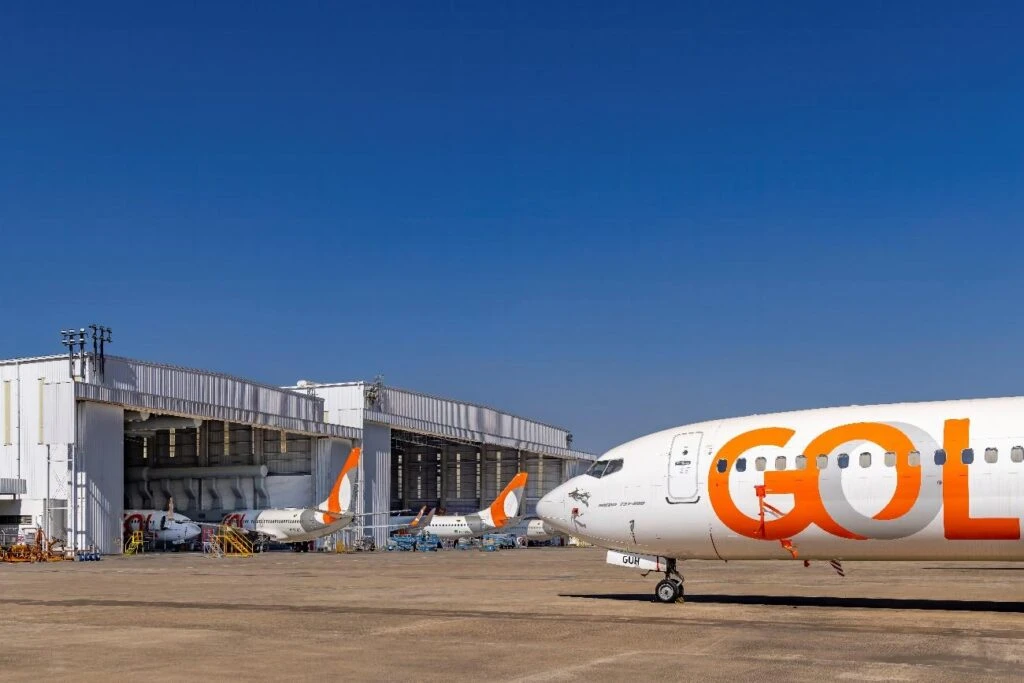
Announced by Aena on 13 October, the project envisages over R$100 million, 56,000 m² and around 800 jobs. Brazil’s Ministry of Ports and Airports confirms the hangar among planned Galeão developments.
A hub concentrates flights and connects passengers across destinations. Nearby maintenance can reduce technical ferrying and support fleet availability, providing operational backing for network expansion.
The development points to potential opportunities in technical services, supply chains and fuel. Actual jet-fuel demand will depend on frequencies, aircraft and operations; a hangar alone does not determine volumes.
The reported estimate is around 800 jobs. Sources consulted provide no construction start or completion dates and do not confirm hiring for 2027.
15 October 2026 edition
Three shifts in power, read through their operational consequences.
Brazil · Runoff
NewsLula and Flávio Bolsonaro face a presidential runoff on 25 October. Reuters reports fresh party endorsements for Flávio, pointing to a potential governing coalition.
Analysis · Magnólias & BarrisElectoral backing does not guarantee delivery. Energy, agriculture and aviation depend on budgets, regulation and legislative capacity. Campaigns promise speed; Congress keeps the keys.
Read source · Reuters · 15/10 ↗
India · Aviation & defence
NewsEmbraer and Mahindra have identified Nagpur for a potential C-390 assembly line. Their 1 October statement makes the facility conditional on aircraft selection and an Indian order. A purchase is not confirmed.
Analysis · Magnólias & BarrisLocal production, suppliers and long-term support are part of the competition. An aircraft sale creates revenue; an industrial chain deepens a strategic relationship.
Read source · Embraer · 01/10 ↗Energy · International markets
NewsAt 11:57 UTC on 15 October, Reuters quoted Brent at US$104.91 a barrel, down 1.1%. Possible easing of restrictions on Russian tankers weighed on prices while Middle East risks limited losses.
Analysis · Magnólias & BarrisA lower screen price does not deliver cheaper fuel. Freight, insurance, exchange rates and refining remain in the bill.
Read source · Reuters · 15/10 ↗Infrastructure & power · 14/10/2026

Fertilizers & food security · 14/10/2026
Disrupted fertilizer shipping through Hormuz can turn a logistics shock into a food crisis. FAO links today’s input costs to tomorrow’s food supply.
Natural gas supports nitrogen fertilizer production. Rising energy, shipping and input costs squeeze farmers and threaten yields; effects may emerge months later in harvests and food prices.
Context: FAO warnings from April and May 2026. A prospective risk, not a claim that a global food crisis has already materialized.
FAO · 26/05/2026 ↗
Oil & routes · 14/10/2026
The kingdom targets pipeline export capacity of up to 10 million barrels per day, combining temporary gas-pipeline conversion with East–West network investment.
Reuters reported on 12 October that conversion could add up to 1.2 million bpd within seven to eight weeks. Further investment could bring the total addition to 3 million bpd. The roughly 10 million bpd target depends on projects over two to three years.
Planned transport and export capacity, not current production or already available throughput.
Reuters · 12/10/2026 ↗Toledo · Solidarity · 13/10/2026
Our solidarity is with Toledo, the affected families, and everyone working in farming, aviation and cooperatives.
The storm of 29 September destroyed hangars at Luiz Dalcanale Filho Municipal Airport and damaged other structures across the municipality, according to Toledo City Hall. Behind the damage are people, livelihoods and projects that deserve attention.
Agriculture, aviation and the cooperative movement belong to the same network: people who produce, connect and build together. When a region is struck, that interdependence acquires an even more human meaning.
May the organising capacity of cooperatives, the presence of businesses and the work of public authorities become concrete support for reconstruction. Our solidarity also extends to the teams restoring Toledo’s spaces and routine.
There are moments when the stature of an economy is measured by its capacity to care for those who sustain it.
Official report · Toledo City Hall ↗
Geopolitical radar · 13/10/2026
Morning edition · 13 October 2026 · Aviation, oil and agribusiness.
Aviation ·
Qatar Airways temporarily suspended flights to and from Riyadh and Dammam amid escalating attacks in Saudi Arabia, Reuters reported on 13 October.
Analysis: A suspension changes connections, capacity and planning. Fuel supply follows the operation that remains viable. Diplomacy can postpone an answer; an airline network must decide before the next departure.
Source · Reuters ↗Oil ·
At 08:20 UTC on 13 October, Reuters reported Brent futures down 1.52% at US$105.03 a barrel. Prospects of more Russian diesel offset Gulf supply risks.
Analysis: One session’s decline does not solve logistics. Announced supply must become a shipment and reach its destination. Markets trade expectations; fuel buyers still receive an invoice.
Source · Reuters ↗Agribusiness ·
Brazilian agribusiness exports totalled US$133.6 billion from January to September, up 5.5% on 2025, according to Folha on 12 October. Its report highlights uncertainty over Chinese purchases in the final quarter.
Analysis: Record revenues do not remove commercial concentration. Diverse destinations and sanitary market access reduce dependence. A field may deliver an exceptional harvest; a contract still needs two signatures.
Source · Folha ↗Illustrative editorial images.
Analysis archive · Fernanda Borges
Routes, fuel, freight and margin: operations decide before rhetoric finishes its sentence.
Read the weekly edition ↗Hormuz · Geopolitical focus · 17 October 2026

Hormuz through five petals: territory, resources, military power, economy and technology. Geography enters negotiations and ends up in margins.
Select one of the five petals. Each holds an angle on power; none promises innocence to the barrel.
Magnolias in Times of War brings together a conversation about nature, power and corporate life. It grows out of eighteen years in markets where football, aviation and agribusiness meet negotiations, interests and far-reaching decisions.
Much of this audience already knows these tables well. The aim is to bring more women to them: with knowledge, their own voice, and the freedom to discuss oil, business and geopolitics without requesting permission from a caricature of who supposedly belongs.
The everyday conversation takes place on Fernanda Borges's Instagram. Here, her ideas have room to grow with more time and depth.
Read the Instagram post ↗Readings by subject
Oil · Diesel supply
Prospects of additional Russian diesel supplies entered market calculations this morning, while attacks in Saudi Arabia and Gulf shipping risks continued to threaten deliveries.
Commercially, promised availability differs from delivered product. Refining, loading and transport determine how much becomes actual supply. Brazil’s exposure also depends on exchange rates and replacement costs; there is no automatic discount for jet fuel or avgas.
Diplomatic convenience can alter a statement’s tone. Fuel still requires a refinery, a ship and a destination. Logistics retains the inconvenient habit of demanding evidence.
On the morning of 8 October, Brent rose amid reports of possible further US military action against Iran. A threat can increase prices before a new physical interruption: buyers pay more to secure delivery and compensate for uncertainty.
The EIA’s 6 October report describes constrained Middle Eastern oil flows, higher shipping and insurance costs, and longer routes. Hormuz and its alternatives matter because production alone is insufficient: oil must reach refiners and buyers.
Supply and inventories: restricted shipments reduce immediate availability. Freight and insurance: risk and detours raise delivery costs. Refining: fuel availability depends on processing capacity as well as crude prices.
Commercial reading for Brazil: oil, exchange rates and logistics can pressure replacement costs. QAV and AVGAS also depend on product prices, contracts, taxes, base and supplier; there is no mandatory increase matching Brent.
Confirm stocks, delivery dates, quote validity and base costs before granting a concession. A crisis can change the bill even when your operation is far from the affected route.
Geopolitics has the inelegant habit of entering uninvited. The strait is far away; freight, insurance and margin know your company’s address perfectly.
Fernanda Borges · Editorial
According to UOL, Flávio Bolsonaro said on 8 October that he intends to remove split payment from the tax reform through Congress. The candidate argues that separating tax at payment may put pressure on businesses’ working capital.
Not automatically. This is an electoral proposal that would require legislative change. Winning the election alone neither repeals the rule nor grants an IBS or CBS exemption. Removing a collection method is also different from removing a tax.
Complementary Law 214/2025 provides for IBS and CBS to be separated and collected when payment is financially settled. Instead of the entire amount passing through the supplier’s cash account, the tax portion goes to the authorities under the applicable rules. The procedure takes tax liabilities and credits into account; a uniform withholding for every business should not be assumed.
The tax authority announced integration tests beginning on 15 October 2026 in a controlled environment, with no effect on real transactions. Technical testing and actual collection are separate stages.
In my reading, the useful question is how much cash remains available, on what date and under which rule. For fuel businesses, customer terms, supplier payments, inventory and financing costs already compete for the same cash. Model scenarios with the tax team, respecting the specific regime for each product and transaction, before changing an offer.
This news does not announce a cut in jet fuel or aviation gasoline prices. It does not justify stopping preparations for the reform either: follow any bill submitted to Congress, current rules and implementation measures. A promise belongs in the scenario; an unapproved benefit is not available cash.
The podium announces relief; treasury asks for a date. There is a considerable distance between promising a business more breathing room and depositing oxygen in its cash account. Until legislation bridges that distance, the spreadsheet retains its distinctly uncelebratory right to demand evidence.
Fernanda Borges · Editorial
Sources: news and legal context: UOL · 08/10/2026 · LC 214/2025 · arts. 31–35 · Receita Federal · 30/09/2026
Aviation · Quality and traceability · 19 October 2026
After the 9 October accidents in Minas Gerais involving aircraft that departed Pampulha, ANP collected fuel samples from airport resellers for laboratory analysis. Itatiaia reported this on 15 October, citing the agency. Sampling tests product quality; it does not establish that fuel caused either accident. No conclusion establishing such a link was found in the sources consulted for this update.
Fuel must match the aircraft specification, with documented origin and quality controls throughout storage, transport and refuelling. ANP highlights the safety implications of quality deviations. Supplier assessment extends beyond branding and price to current authorization, product documentation, traceability and technical accountability.
Check the distributor’s ANP authorization and the authorization of the reseller refuelling the aircraft. Request applicable fiscal and quality documents, product and batch identification, and records tracing the delivery chain. Resolve conformity questions with technical and operational personnel before refuelling.
Editorial perspective · Magnólias & BarrisPrice is a commercial consideration. Provenance and controls are operating requirements. Trust rests on evidence from product origin to aircraft delivery. Current inquiries support scrutiny, not accusations against companies or premature accident conclusions.
Sources and verification: Itatiaia · 15/10/2026 · ANP · Qualidade · ANP · Distribuidores autorizados · ANP · Consulta de revendas
On 7 October, Cade announced conditional approval of American Airlines acquiring roughly 8% of Azul in a US$100 million transaction linked to the Brazilian airline’s financial restructuring. Approval requires an agreement with governance and information safeguards and full compliance with its terms.
Commercial reading: watch how restructuring translates into routes, operations and financial capacity. This announcement establishes no new fuel contracts, immediate demand growth or QAV/AVGAS price change.
In aviation, capital gets the headline; fuel gets the schedule. For a supplier, the useful question follows the photograph: who buys, who pays and on what terms?
Fernanda Borges · Editorial
According to Agência Brasil, Petrobras increased its average price by 11.76% for aviation kerosene at its refineries. The average reference rose from R$5.585/L in September to R$6.242/L in October. The monthly adjustment applies to fuel sold to distributors.
This average is not an aircraft refuelling quote. When preparing a proposal, check the depot price, taxes, freight, payment terms and margin. The announcement concerns jet fuel; it does not establish an equivalent adjustment for aviation gasoline.
“Some regard margin as a kind of hereditary estate. Costs rise, the proposal stays unchanged, and profit vanishes with impeccable discretion. One ought to update the spreadsheet before raising a glass to sales volume.”
— Editorial reading · Fernanda Borges
Read the report at Agência BrasilView Petrobras pricing tables
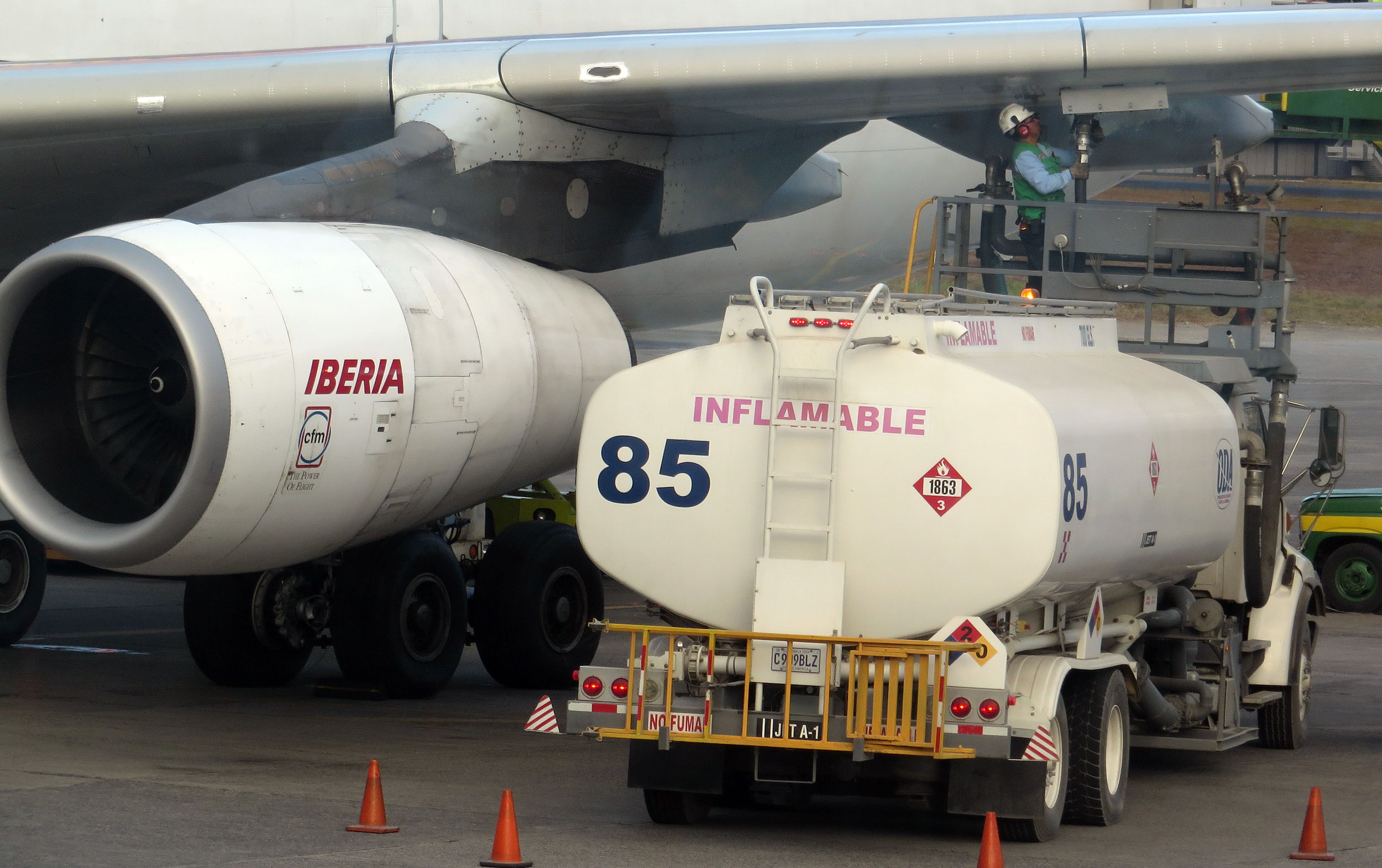
October arrived with refinery courtesy: Petrobras raised its average jet fuel price by 11.76%. Agência Brasil reports a change from R$5.585 to R$6.242 per litre, effective since October 1. The calendar changed; cost insisted on following.
This is the refinery average for sales to distributors, not the aircraft refueling price. Confusing the two may make lively conversation, but rarely a responsible proposal. Supply location, taxes, freight, payment terms and margin still need a seat at the table.
Commercial teams should check current acquisition costs, review quote validity and coordinate with supply and finance. An old offer delivered with a new smile remains an old offer. Customers deserve clarity; cash flow does too.
The announcement concerns jet fuel, not an identical increase for aviation gasoline. Nor does it dictate an exact 11.76% retail increase: each operation’s costs and contracts matter. Selling volume without understanding contribution is a curious talent — it enriches statistics before the business.
Geopolitics appears in a cancelled flight, a cargo route and the cost of crossing a strait. A map looks handsome on a wall. In an operation, it charges by the kilometre.
“While some wait for stability in oil, I watch routes, alliances and the price of naivety. The barrel tends to announce the crisis before speeches find the microphone.”
Fernanda Borges's perspective draws on negotiations, contracts and operations connecting energy with aviation.
In her professional work, she maintains direct dialogue with Brazil's largest oil operator. That proximity shapes an analysis beyond daily barrel-price fluctuations: infrastructure, logistics, risk and the viability of new business.
Professional dialogue as reported by the author. The image documents her work; it does not announce a partnership or institutional affiliation.
Working in oil markets serving aviation takes more than discovering who owns an aircraft. Demand, supply, proposals, contracts and daily decisions form a chain largely unmoved by an unprepared speech. This is a restricted market with many variables — none of which is impressed by a business card.
The Table brings together commercial analysis, pricing and negotiation in aviation fuel. Fernanda Borges’s Market Briefing connects this expertise to the day’s developments.
Context for oil and aviation, with identified sources and attention to operational changes. The briefing connects news to commercial decisions.
Negotiation, client qualification and market analysis for informed commercial discussions. Follow the editorial content and the subscription launch.
Demand, outreach, proposals and lasting commercial relationships form the programme. The interest list keeps prospective participants informed about the first cohort.
For those who want to understand what is at stake.
Oil moves, the dollar changes its mood, and a decision made far away arrives in your operation without asking permission. In this briefing, I connect these movements and explain what they mean for aviation, business and choices beyond the headlines.
I write as I speak at the table: with context, examples and questions an official statement might prefer to avoid. Rigor belongs in the research. Language stays close to you. Making an explanation complicated is easy; understanding what deserves attention takes more work.
This is the Magnólias market briefing: a circle joined by curiosity, perspective and a healthy suspicion of elegantly dressed certainties. You may know the market or be starting to explore it. The wish to understand brings us together.
Sign up to receive my readings and join the conversation. News passes. Some perspectives stay — and change how you read what comes next.
Receive the Market BriefingFor professionals seeking to understand costs, structure proposals and protect margins in jet fuel and avgas operations. Selling volume without knowing the financial outcome is an extraordinarily expensive way to look busy.
The interest list is open. Enrolment will be announced with purchase and access terms.
Choose the market briefing, express interest in the first course cohort or register to request daily aviation fuel quotes.
The course is in preparation: this records interest, without enrollment or payment. Quotes depend on registration review, availability and commercial terms; prices are not guaranteed.
Your email application will open. The request is sent only when you send the message.
The market demands quick answers. Literature, fortunately, still reserves the right to ask better questions.
A work in development about nature, corporate life and what remains standing when the landscape seems to prefer ruins. No publication date has been announced: even books know certain promises require more than enthusiasm.
Business requires insight. Pressure demands presence. Contracts require memory.




Saudi Arabia announced plans to raise pipeline oil export capacity to as much as 10 million barrels a day. Reuters reported on 12 October that the plan includes a temporary gas pipeline conversion and investment in the East-West corridor. This is planned capacity, delivered in stages.
The strategic value lies in a physical alternative. Producing oil and delivering it are different forms of power. Pipelines, terminals and redundant routes preserve choices when a passage becomes vulnerable.
For Brazil, international prices, exchange rates, availability and logistics combine to shape costs. Jet fuel and avgas prices also depend on contracts and each operation’s costs. The barrel explains part of the bill; it cannot sign the offer alone.
Infrastructure has one advantage over rhetoric: when it works, something actually reaches its destination.
Source · Reuters · 12/10/2026 ↗